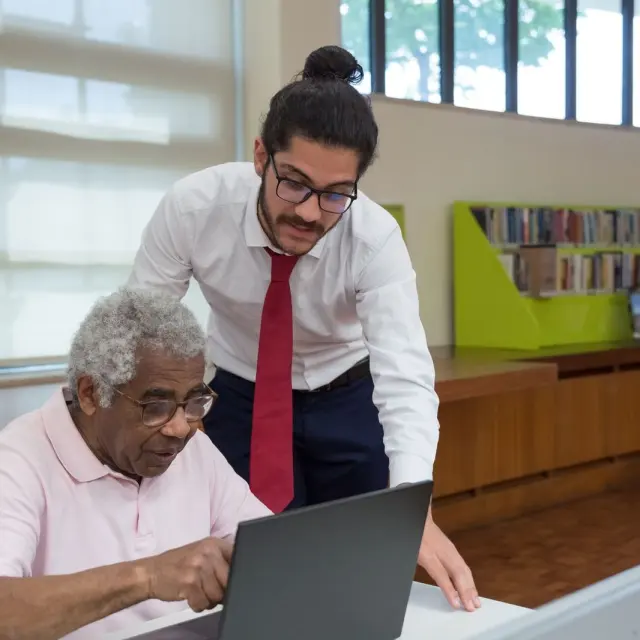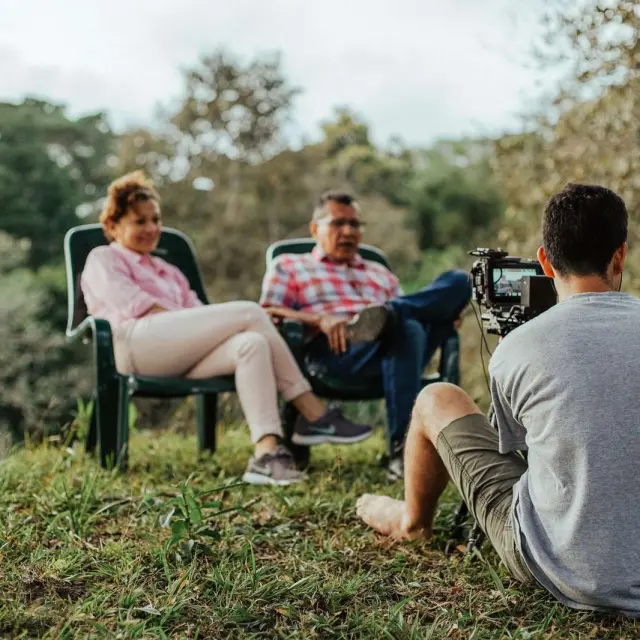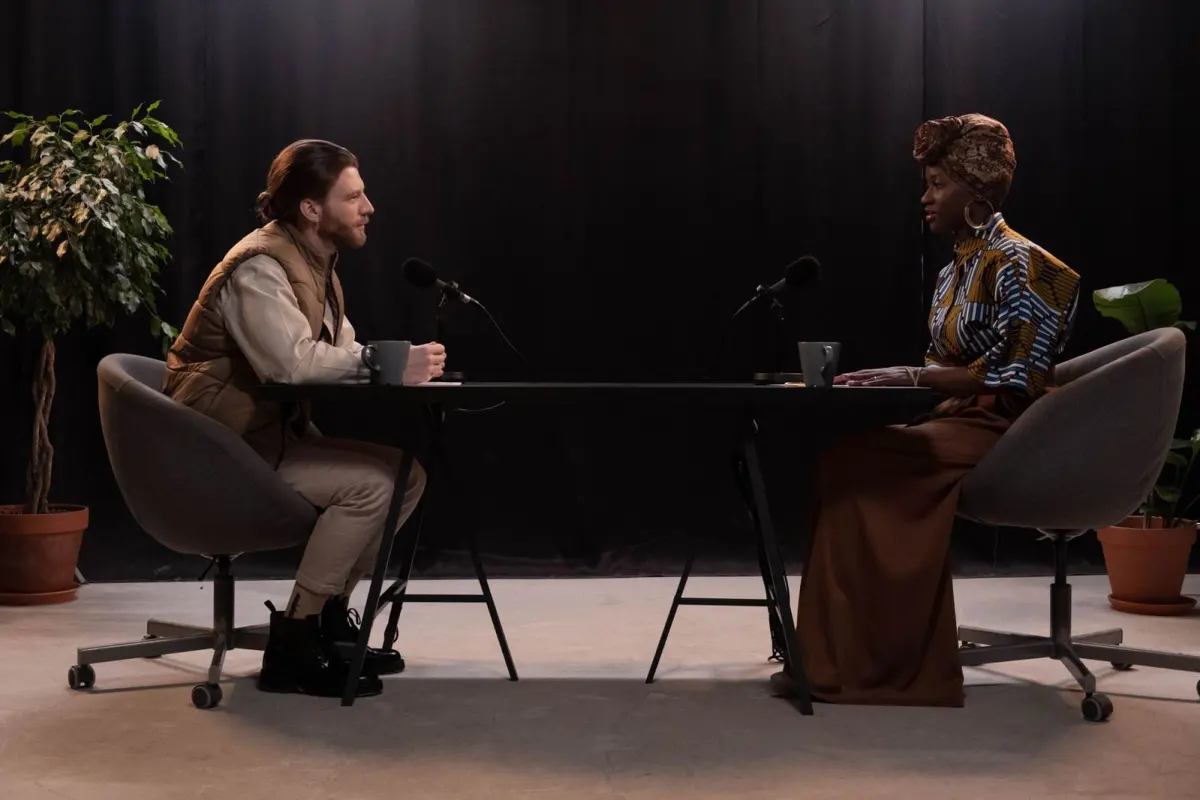
You have a neighbour, elder or local organiser to talk to and no idea where to begin. Here is how to interview someone: research first, ask open questions, listen more than you speak, and review your notes straight away.
If you are still looking for people to talk to, read about how to find local community news first.
| Item | Value |
|---|---|
| Suggested number of questions per interview | Three or four questions |
| Questions to ask at a time | One question |
| Basic question words | Six: what, why, when, how, where and who |
| Example interview slot to respect | 30 minutes |
| When to review your notes | Right after the interview |
These figures come from Media Helping Media’s interviewing tips and IJNet’s interview tips. Guidance can change, so check the source before you rely on them.
Prepare before you ask anything
Good interviews are won before the first question. Research the topic and the person so you can skip questions that a book, document or assistant could answer, and your source will notice the effort.
When you book the time, ask your source to suggest documents or other material on the topic. People often share useful papers before the interview even starts.
A short checklist keeps you steady:
- Learn the background and why this person’s perspective matters.
- Draft open-ended questions that invite storytelling.
- Pack a notebook, pens, an audio recorder if allowed, and backup batteries.
- Set aside enough time and choose a place that suits conversation.
Pick the location with your ears as well as your eyes. A café may be convenient, but background noise can cause trouble at transcription time, so a quiet spot with few distractions is easier to work in. A home or office can also add context about the person’s life or work.
Arrive on time and leave slack between appointments. IJNet notes that lateness makes the worst impression, and that even if you only have 30 minutes, you should not rush your subject.
Write questions that invite stories
Different question types do different jobs, and a good interview mixes them:
- Open-ended questions encourage detailed answers, such as “What was going through your mind when you first heard the news?”
- Closed-ended questions clarify facts, such as “What time did the event begin?”
- Follow-up questions show you are listening, such as “Can you tell me more about what happened next?”
- Probing questions gently ask for an example or explanation, such as “You mentioned safety concerns. Can you give an example?”
Keep each question short and ask only one question at a time, because combining them makes it easy to dodge half. Media Helping Media suggests three or four questions for the whole interview and reminds you of the six basic question words: what, why, when, how, where and who.
Think about order. Journalism educators advise against opening with the most difficult or controversial question, since the person may walk out. If your source is short on time, though, the same Media Helping Media guide says to ask the most important question first.
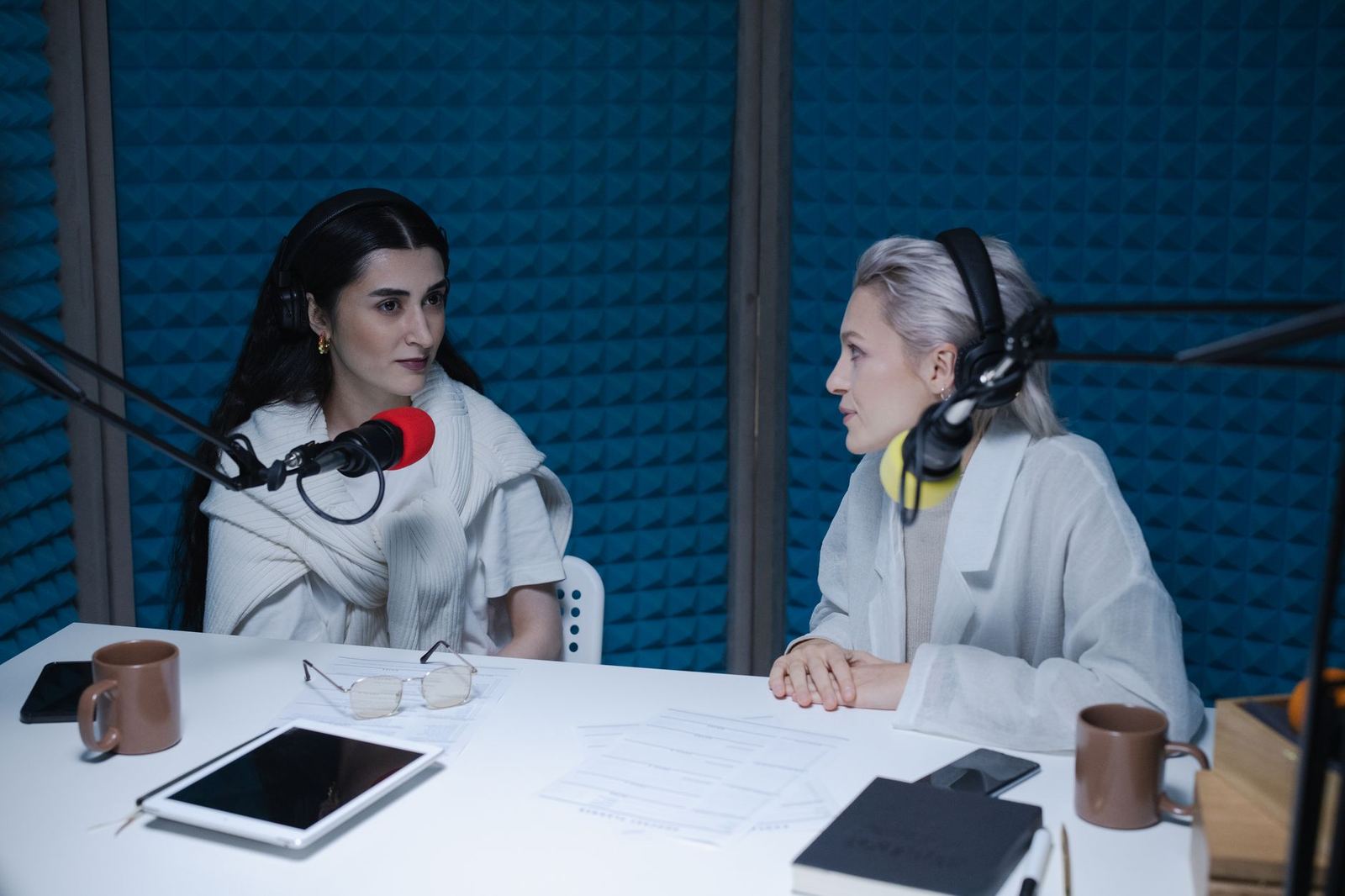
Skip leading questions. Asking an athlete whether a game was easy pushes them toward the answer you want, and it risks making you look biased.
Share the themes, not the script. A general idea of the topic is fine, but handing over exact questions lets a person rehearse their answers.
Listening, silence and body language
Treat the interview as a conversation. Starting with small talk or an easy question helps your source relax, and remembering that it is just a conversation where one person takes notes can ease your nerves.
Active listening matters more than your list. Ask your question, then listen and follow up, because your source may use the chance to announce something you did not expect.
A few habits make a real difference:
- Use silence. When answers turn short or carefully worded, hold eye contact and wait, because people tend to fill the gap.
- Watch your body language. Nodding may signal agreement, and recoiling may make the person stop talking.
- Keep eye contact by taking abbreviated notes and looking down only once in a while.
- Politely interrupt when jargon appears, since your audience needs plain explanations.
- If a question is dodged, stay empathetic but professional and rephrase it.
Remember that the interview is not about you. You are there to get the other person’s perspective, not give your own, and certainly not to make them look foolish.
Notes, recordings and remote interviews
Always ask permission before recording, and keep taking notes as a backup in case the technology fails.
Check that your equipment is working and charged before you leave. Then confirm the audio was captured before the person walks away.
If your recordings might become a lasting archive of local memory, read about how to start an oral history project next. If you plan to publish the audio, how to start a podcast is a natural follow-up.
Remote interviews bring trade-offs:
- Phone and video calls are convenient but make body language harder to read.
- Email works for facts but lacks spontaneity.
- For remote audio, test your set-up on the call before you start, and record the whole conversation as a backup.
Use messaging for first contact, then try to gather the story by voice or in person. Email interviews give sources a lot of time to plan their replies, which can flatten the answers.
Ground rules, ethics and fair representation
Set the ground rules at the start, ideally when you book. Make sure the person understands the story you are working on and knows that what they say could be published.
Say clearly whether the conversation is on the record, off the record or on background. This matters most when a source’s job or life could be endangered by being quoted.
- On the record: can be quoted and attributed directly to the source.
- Off the record: cannot be used or attributed in a story.
- Background: can be used but not attributed directly to a named source.
Show empathy in how you represent people. Ask how they wish to be described, particularly where gender, race or other personal details are involved, and do not impose on grief when someone is dealing with loss.
Be honest about who you are. Carrying a business card or credentials can ease a stranger’s doubts, and you should never misrepresent your role.
Quote accurately. Attribute everything you take from a source, default to “said” as your attribution verb, and never edit answers out of context. When in doubt, ask yourself: “Am I serving the public’s right to know without causing unnecessary harm?”
After the interview: review, check, follow up
The minutes before you leave are your last easy chance to fill gaps:
- Ask whether there is anything you forgot to ask.
- Get a phone number or email address and a good time for follow-up questions.
- Ask who else could speak on the topic.
- Thank the person, however difficult the conversation was.
- Review and organise your notes right away, while everything is fresh.
Fact-check names, titles, statistics and timelines before anything is published. Accuracy in names and titles protects both your credibility and the trust of the person you spoke with.
Finally, do not hesitate to go back to your source if something is unclear. A polite follow-up is far better than guessing.
Frequently asked questions
How many questions should I prepare?
Show answer
Media Helping Media suggests keeping an interview to three or four questions, and being ready to follow wherever the answers lead. If you cannot get to the heart of it in that many, rework the questions.
Do I need to record the conversation?
Show answer
Recording helps you capture exact words, but ask permission first. Keep taking notes as a backup in case the equipment fails.
Should I send my questions in advance?
Show answer
Giving a general idea of the themes is fine. Sending specific questions can limit the conversation and lets the person rehearse answers.
What if the person goes quiet or avoids a question?
Show answer
Wait in silence with eye contact, since people often fill the gap. If the question is still dodged, rephrase it calmly and stay professional.
Is an email interview good enough?
Show answer
Email is good for checking facts but lacks spontaneity. Where you can, gather the main story by phone or in person.