Starting a recorded memory project can feel big when you’ve never done one. If you’re wondering how to start an oral history project, begin with a focused theme, a plan for consent, and a place to store the recordings.
If you want to spot the people and places worth recording, start with this guide on how to find local community news.
| Item | Value |
|---|---|
| Key elements of oral history work | Four: preparation, interviewing, preservation and access |
| Basic questions to answer for each topic | 6 (who did what, when, where, why and how) |
| Written agreement with the narrator | Completed before recording begins |
| Spoken lead-in at the start of each session | Names, full date, location and subject |
| Training for first-time interviewers | Recommended before you start |
These figures come from the Oral History Association’s best practices and the Montana State University Library’s oral history handbook. Guidance can change, so check the sources before you rely on them.
Start with a focused theme
Your first job is to choose a theme. The National Lottery Heritage Fund’s guidance says you need to decide whether the project is about a particular community, place, event, activity, issue or other subject, and you can read that guidance here. You can then break the theme into topics, such as homes, family life, work and leisure for a neighbourhood history.
Keep it tight. A Pennsylvania Historical and Museum Commission design page warns that too many oral history projects wander with no coherence or depth, so focus the project as much as possible. That page is an archived snapshot of its website as it appeared on August 26, 2015, so treat it as a method guide rather than current policy; you can read it here.
Before you commit, check whether someone has already done similar work. The Heritage Fund guidance suggests asking the Oral History Society’s regional networkers, the British Library’s oral history department for a national project, or your local archive, to see whether your topic may duplicate other projects.
It also helps to know what counts. The same guidance defines oral history as the recording and archiving of people’s memories, feelings and attitudes, and says reminiscence group work, unstructured short conversations and vox pops are not what it considers oral history. One example it cites is the Digging Deep, Coalminers of African Caribbean Heritage project, which shows how a clear theme can document a specific community’s working life.
Plan the people, equipment and budget
The Pennsylvania design page frames planning as a series of questions you answer on paper before you record anything. Work through these:
- How many interviews will you do, and will each narrator have one session or several?
- How will you identify and select narrators, and who will do the interviews?
- What background research will interviewers do first?
- What equipment will you use, and how will you obtain it?
- How will you process finished interviews, for example by summarising, transcribing or indexing them?
- Where will the recordings be archived, and how will others find them?
Money matters even for a small project. The same page lists possible costs including equipment such as recorders, microphones and microphone stands, plus travel, personnel and honoraria to advisors. It notes that honoraria to narrators are rarely paid, and it advises building a timeline of what happens when, on a weekly or monthly schedule.
You do not have to learn everything alone. The Oral History Association says first-time interviewers should seek training, and it suggests community plans that might include an advisory board, events for sharing findings, or oral history training. Some libraries help with kit too: the Boston Public Library’s oral history guide notes that its Oral History Backpacks can be checked out at participating branches.
Get consent and agreements in place before recording
Consent is not a formality. The Oral History Association says the process should, whenever possible, include obtaining and documenting the informed consent of the narrator and sharing expectations about the project timeline. It also says narrators should have a chance to review the oral history before public release when possible.
A pre-interview conversation, by phone, video chat or in person, builds rapport and covers the essentials. Both the Association and the Montana State University handbook suggest explaining:
- The purpose of the project, including the topics and research questions.
- The full procedure: when and how the interview is recorded, any review process, and how the recording will be preserved and used.
- What the narrator wants from the process and which questions they think should be asked.
- The release form they will be asked to sign.
The Association says a formal record of the agreement should be completed before recording starts. The Montana handbook adds that most historians and historical institutions will not accept interviews without release forms, which protect against libel and copyright concerns.
Rules differ between repositories. The Association encourages narrator review where possible, while the Montana library says it does not allow interviewees to edit recordings or transcripts, so ask your chosen archive for its terms before you promise anything.
Think about who is in the room, too. The Association notes that narrators are members of communities, some of whom have historically complex relationships with researchers, and it urges projects to include as many diverse voices as possible.
How do you run the interview?
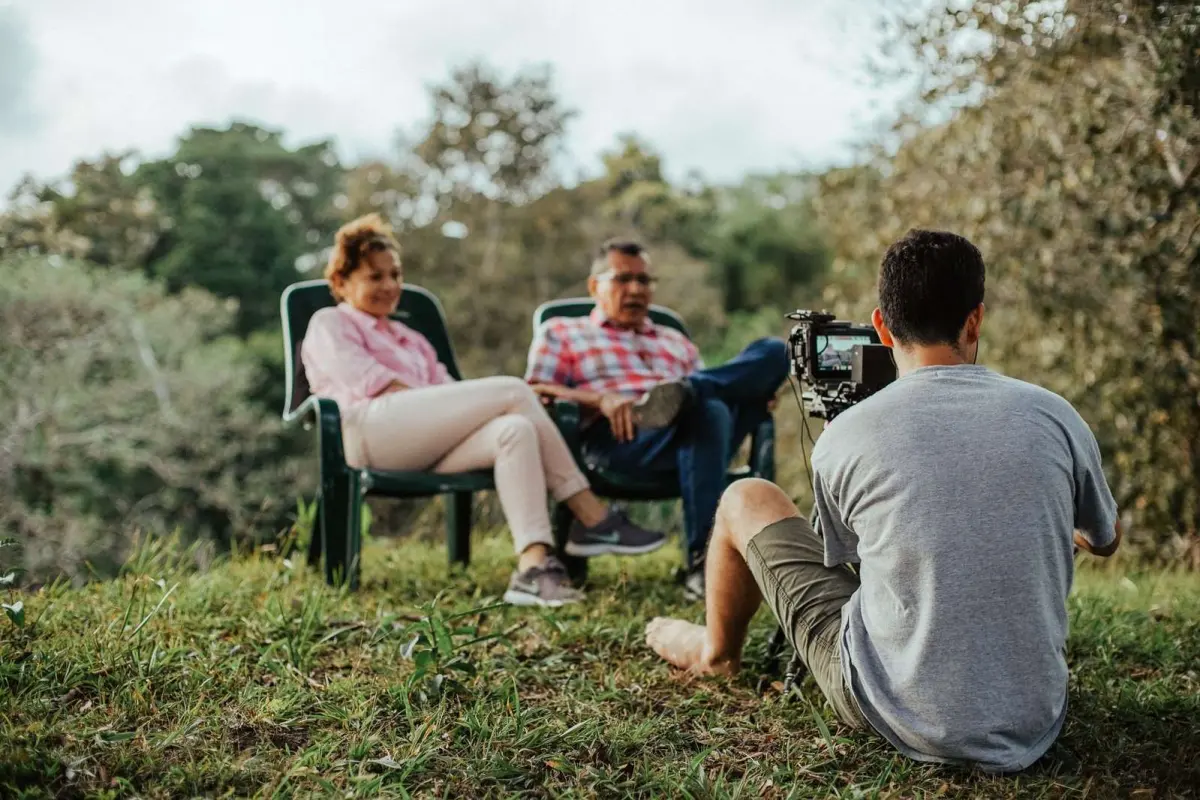
Choose a quiet place. The Association recommends a location with minimal background noise and distractions whenever possible, and the Montana handbook suggests a space where the narrator feels comfortable. Use setup time to chat and explain the project goals rather than ignoring your narrator.
Start each session with a spoken lead-in. The Association says it should include:
- The names of the narrator and interviewer, or pseudonyms where appropriate.
- The full date of the recording session.
- The location, using a generic phrase like “narrator’s home” rather than a residence address.
- The proposed subject of the recording.
Next, build an outline to guide the conversation. The Montana handbook says it should start with a biographical question, usually run chronologically, break big ideas into smaller questions, and stay flexible enough for the talk to wander.
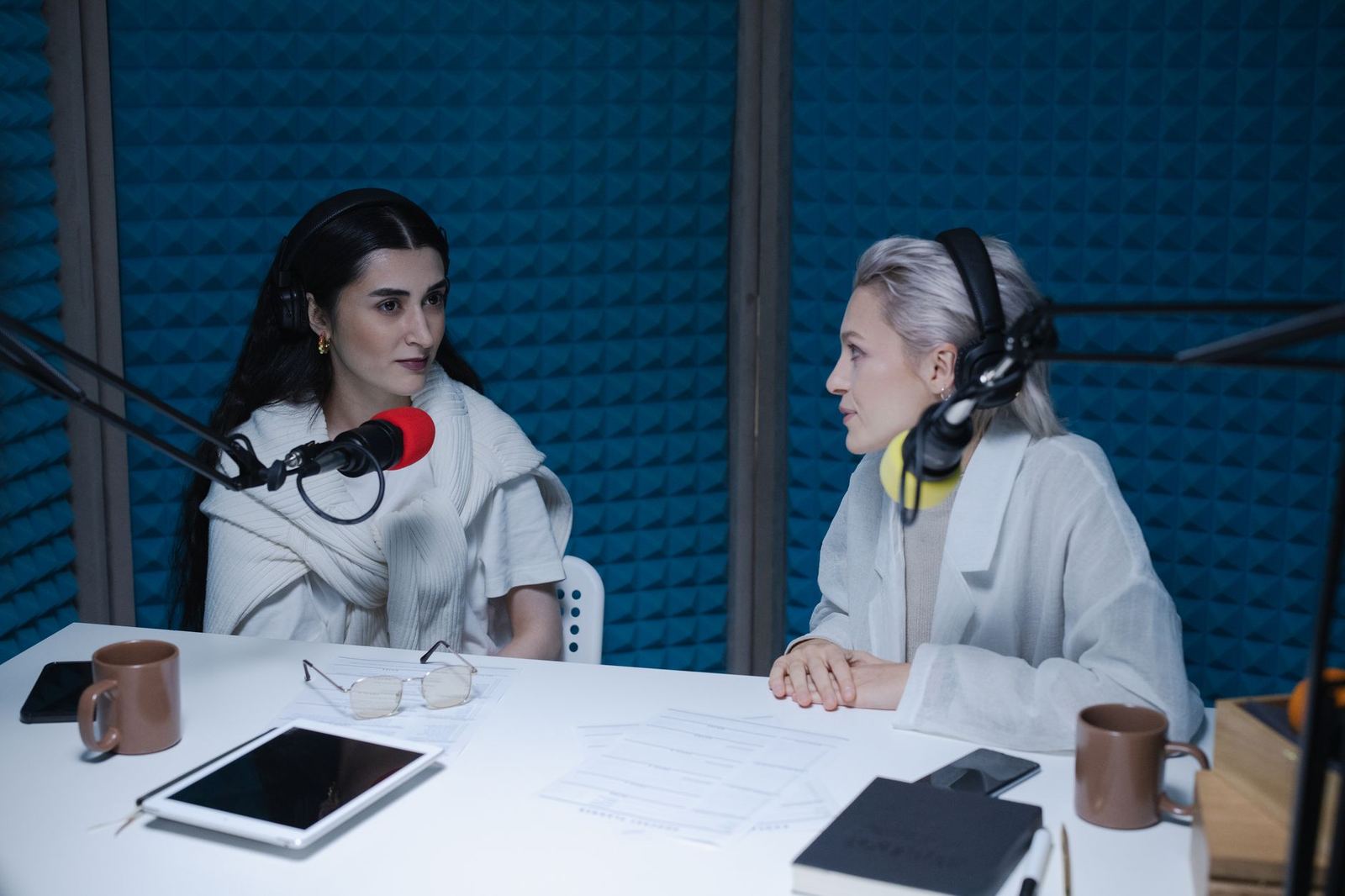
During the conversation, the Montana handbook offers practical habits:
- Ask one question at a time and let the narrator finish before the next.
- Ask open-ended questions and follow up for clarification and examples.
- Avoid leading questions.
- Do not worry about silences; let the narrator collect their thoughts.
- Make sure the 6 basic questions are answered for each topic.
- If the narrator looks tired, suggest a break.
For more on technique, read how to interview someone alongside this checklist.
Where do the recordings go, and how are they shared?
Decide on a repository early. The Association says to select one that aligns with the project’s goals, has the capacity to preserve the recordings, can enforce signed agreements, and will make the oral histories accessible to the public.
Then plan how people will hear the stories. The Heritage Fund guidance lists websites, exhibitions, art installations, performances, educational materials, films and walking tour apps as ways to share oral histories. Some projects also work with local media, so it can help to learn what is a nonprofit news organization before you approach one.
Expect disagreement and difficult material. The Heritage Fund notes that people’s testimonies sometimes contradict each other, and that oral histories, like any historical source, are open to debate and interpretation. For sensitive subjects, the Pennsylvania page asks how potentially sensitive questions will be handled within interviews, and the Boston Public Library guide includes a section on trauma-informed interviewing.
Finally, remember there is no single route. The Boston guide stresses that there is no one-size-fits-all approach to oral history and that flexibility is key.
Frequently asked questions
Do I need to transcribe every interview?
Show answer
That is a decision to make during planning. The Pennsylvania design page lists deciding whether or not to transcribe interviews as one of the choices a project must make, alongside how to process and archive them.
Should I pay the people I interview?
Show answer
The Pennsylvania page lists honoraria to advisors and to narrators among possible costs, but notes that paying narrators is rarely done. Check any funder or repository requirements before you decide.
Can narrators edit their interviews?
Show answer
It depends on the project. The Oral History Association encourages giving narrators a chance to review the oral history before public release when possible, while the Montana State University library says it does not allow interviewees to edit recordings or transcripts.
Is a quick chat with a neighbour oral history?
Show answer
Not under the Heritage Fund’s guidance. It says oral history interviews should be substantial records of the past, and it does not consider reminiscence groups, unstructured short conversations or vox pops to be oral history, though it says they can still engage people with heritage.