If you want to understand black history in the bay area, start with three threads. They are railroad and church life in West Oakland, wartime shipyard migration, and postwar urban renewal.
This guide sits inside the wider topic of bay area culture and history, with a focus on Oakland and San Francisco.
| Item | Value |
|---|---|
| Bay Area Black population, 1940 to 1945 | From less than 20,000 to over 60,000 people |
| Black share of western shipyard workers before the war | No more than 3% (about 1,800 of roughly 60,000 workers) |
| Black share of western shipyard workers by 1945 | About 7% (roughly 50,000 workers) |
| Oakland Black population, 1944 to 1950 | From 21,770 to 47,562 residents |
| Share of Oakland’s Black population living in West Oakland, 1950 | 85% |
| Year the transcontinental railroad ended in West Oakland | 1869 |
These figures come from the National Park Service’s African American history page and the Oakland Museum of California’s Black Spaces timeline. Historical estimates can be revised, so check the sources before you rely on them.
Early roots: whaling, rails and churches
Black life in the region is older than the wartime boom. According to the National Park Service, African Americans continued to form a large percentage of whaling crews after the industry’s center moved to San Francisco in the 1870s. The same page says whaling was the largest employer of Black seamen on the West Coast until it ended shortly before World War I.
Captain William T. Shorey was born in Barbados in 1859 and made his first whaling voyage in 1876, the Park Service reports. In 1886 he became the only Black West Coast ship captain, and he retired in 1908. His wife, Julia Ann Shelton Shorey, served for over sixteen years as president of the Home for Aged and Infirm Colored People of Oakland.
The transcontinental railroad ended in West Oakland in 1869, which the Oakland Museum of California’s timeline describes as a fundamental shift in the city’s demographics. The Pullman Palace Car Company hired exclusively Black staff, and many porters soon bought homes in West Oakland. In 1925 the Brotherhood of Sleeping Car Porters Union formed as the first major labor union opened to Black laborers.
The same timeline lists the institutions that gave the community its footing:
- A.M.E. Church: the 1859 entry calls it one of Oakland’s first Black social, cultural and educational centers. By 1863 members had bought a building at 7th and Market Street, where educator Elizabeth Scott Flood ran a private school. In 1906 the California State Federation of Colored Women’s Clubs, Inc. was established within the church.
- Beth Eden Baptist Church: the second Black church in Oakland, listed under 1890.
- Black newspapers: the Oakland Illustrated Guide ran from 1892 to 1896, followed by the Oakland Sunshine (1897 to 1923). The Oakland California Voice started in 1919.
- Black YWCA: organized in 1924 at 828 Linden Street, it later worked as a job placement center and welfare agency during the Depression.
- Slim Jenkins: a popular nightclub along 7th Street from 1933 that hosted Nat King Cole, B.B. King and Dinah Washington, among others. It was demolished in 1962 as part of urban renewal programs.
How did World War II change the Bay Area?
Shipbuilding was the turning point. The National Park Service says Black workers made up no more than 3%, or 1,800 people, of a western shipyard workforce of approximately 60,000 before the war. By 1945 the yards employed more than 700,000 workers, and about 7%, or 50,000, were Black men and women.
In the Bay Area, the Black population rose from less than 20,000 in 1940 to over 60,000 in 1945, the same page notes. It adds that shipbuilding jobs were the primary factor, and it quotes a description of the migration as “the most important event in the history of African Americans in the Bay Area.” For the wider story of how families reached the West Coast, read about the great migration to california.
Many yards drew workers. A FoundSF essay names Hunters Point, the Kaiser shipyards in Richmond, Marinship in Sausalito, Moore Dry Dock Company in Oakland and the Mare Island shipyard in Vallejo as the enterprises that made the Bay Area the nation’s premier shipbuilding and repair center. The Oakland Museum timeline adds that Kaiser actively recruited Black southerners in 1942, promising higher wages and employment opportunities.
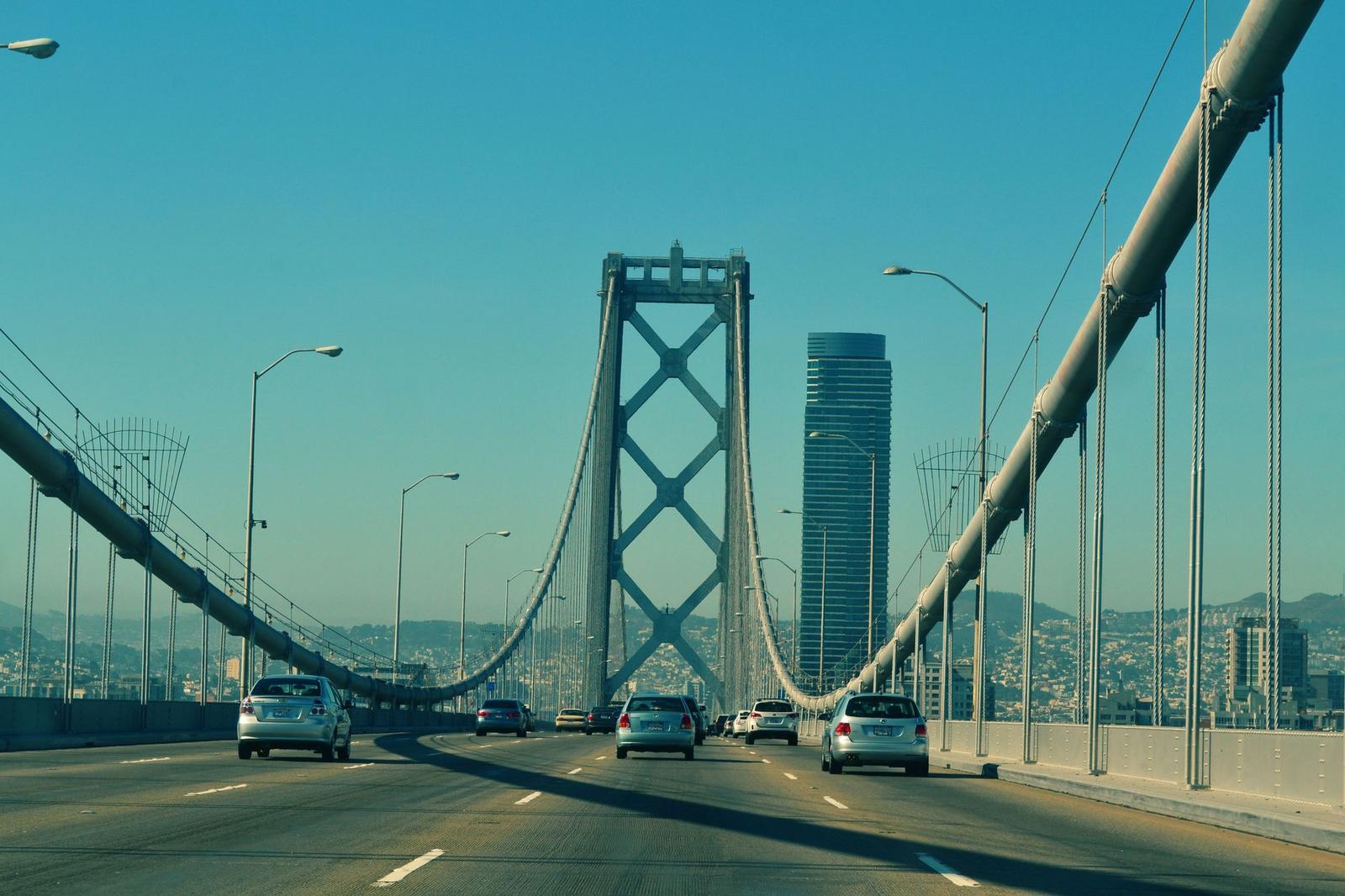
The newcomers had a recognizable profile. FoundSF reports that most came from Texas, Louisiana, Mississippi, Arkansas and Oklahoma, with an average age of 23, and that most came from towns and cities rather than farms. They also carried southern cultural heritage with them, including religious values, culinary traditions, music and crafts.
Hunters Point and Bayview in San Francisco
Before the war, San Francisco’s Black population was small and tightly knit. It grew from less than 5,000 just before the war to approximately 32,000 in 1945, an increase of 665.8 percent. Some of the new arrivals ended up at the Hunters Point Naval Shipyard, which the Navy bought in 1939.
The shipyard provided between 17,000 and 18,500 jobs at its wartime peak, according to FoundSF. Navy-built worker housing was converted to family units in 1944 when the San Francisco Housing Authority took over its administration. After the war, white residents began leaving for the suburbs, while Black residents, whose mobility was limited by housing and employment discrimination, remained.
The Hunters Point census tract was 43 percent Black in 1950 and 65 percent by 1960. The essay ties that rise to redevelopment in the Western Addition, which displaced thousands of Black residents. By 1980 the South Bayshore population was 79 percent African American, falling to 62.5 percent in 1990 as Polynesians, Asians and Latinos added to the area’s diversity.
Oakland after the war: housing, freeways and urban renewal
Oakland’s Black population grew from 21,770 in 1944 to 47,562 in 1950, and 85% of it lived in West Oakland, per the Oakland Museum timeline. Jobs and housing were not guaranteed. The timeline names racial covenants, redlining and racial zoning as the practices that contained the community in specific areas.
For the city’s wider story, read the guide to the history of oakland california, which sets these neighborhoods in context.
During the war, temporary all-Black housing projects went up in West Oakland, including Cypress Village, Willow Manor, Magnolia Manor, Peralta Villa and Chestnut Court, the timeline says. It also describes the De Fremery Hospitality House, a 15,000 square foot building in DeFremery Park with a canteen, lounge, library, dorm and ballroom that many Black servicemen frequented.
The museum’s timeline traces these planning decisions:
- 1937: Home Owner’s Loan Corporation area reports designated the entirety of West Oakland as hazardous, disqualifying residents from loans for mortgages or home improvements.
- 1949: the Oakland City Planning Commission designated all of West Oakland as blighted. The timeline calls “blight” a derogatory and racialized term, and says the designation gave the city access to federal funding and the authority to demolish homes and displace residents.
- 1957: the Oakland Citizens Committee for Urban Renewal passed a plan calling for five urban renewal projects totaling 225 acres in West Oakland. The timeline notes the group included no representation from the West Oakland community.
- 1958: the Nimitz Freeway (Interstate 880) cut through West Oakland and isolated the Prescott neighborhood, in the timeline’s account.
Places named in these sources
The sources point to several places worth looking up in local archives and museum collections. Many have changed or no longer stand, so treat this as a reading list rather than a travel plan.
- West Oakland: the railroad terminus, early churches and the 7th Street entertainment corridor.
- DeFremery Park: the site of the wartime De Fremery Hospitality House.
- Hunters Point and Bayview: the naval shipyard, its worker housing and the surrounding neighborhoods.
- Western Addition: the San Francisco neighborhood where redevelopment displaced thousands of residents.
- Richmond, Sausalito and Vallejo: home to the Kaiser, Marinship and Mare Island shipyards.
Frequently asked questions
What drew Black migrants to the Bay Area during World War II?
Show answer
Defense jobs were the main draw. FoundSF also cites the region’s reputation for racial tolerance, and says news of work spread through labor recruiters, railroad workers, newspapers and, most of all, word of mouth.
Was there a Black community in the Bay Area before the war?
Show answer
Yes. The Oakland Museum timeline records churches, clubs, newspapers and unions in West Oakland from 1859 onward, and says earlier Black settlement laid the social groundwork for later migrants.
Where did most wartime migrants come from?
Show answer
Wartime studies cited by FoundSF found that most came from Texas, Louisiana, Mississippi, Arkansas and Oklahoma. Many kept strong ties to their places of origin and encouraged friends and family to follow.
What was urban renewal in West Oakland?
Show answer
It was a city process that used the 1949 “blighted” designation to gain federal funding and demolish homes, according to the Oakland Museum timeline. The museum describes “blight” as a term used to blame residents for the physical deterioration of homes.